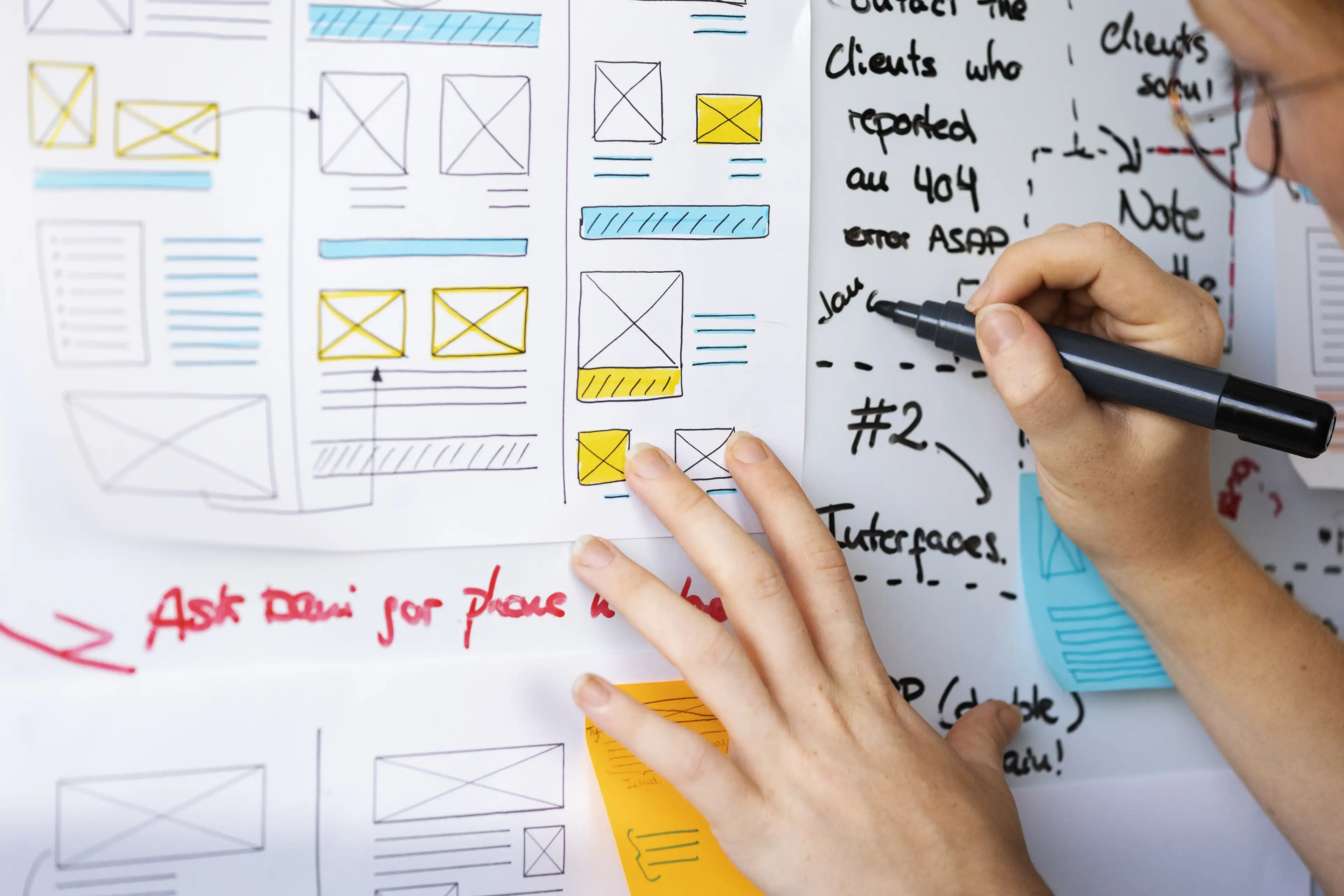


If you are a founder, the real question is not "How much does an app cost?" It is "How much does it cost to get from my idea to something people will actually use?" At Future Wonder, we have seen that answer range from a few hundred dollars for an early concept or demo to tens of thousands for a polished prototype.
That wide range is real, but there is a pattern. Most apps move through the same early stages: concept, demo, and prototype. The further you go, the more time, money, and expertise you need. If you understand what each stage is for, you can spend more intentionally and avoid paying for the wrong work too early.
The biggest hidden cost in app development: technical debt
Before we talk numbers, it helps to name the hidden cost that shows up in almost every project: technical debt. Every technical team starts with unknowns. Early shortcuts, changing requirements, and rushed decisions all create future cleanup. Sometimes that debt is manageable. Sometimes it becomes the reason a promising product stalls.
This is one reason fast-moving approaches like AI-assisted development, vibe coding, and low-code tools can be helpful early on, but risky if nobody reviews the foundations. They can help founders move faster toward a concept, demo, or prototype. But if the product grows, hidden problems often surface in security, scalability, integrations, testing, or maintainability. If you are already moving quickly with AI tools, our Vibe Code Rescue work is built around helping teams sort out what is worth keeping and what needs to be reworked.
Stage 1: Concept stage app development cost
The concept stage is about clarity. You may not need working software yet. You may need a sharper pitch, a better explanation of the problem, or a set of visuals you can use in an investor deck, grant proposal, or landing page.
Typical range for concept stage
- Founder-led concept work: $0-$500 using AI design tools, templates, and your own time.
- Consultant-led concept work: $1,000-$5,000 for product thinking, early visuals, and structured requirements.
At this stage, the biggest risk is not overspending. It is building the wrong thing because the idea was never shaped clearly enough. A little clarity here can save a lot of money later.
Stage 2: Demo stage app development cost
A demo is the first version that helps people see the idea. It might be a single user flow, a click-through experience, a landing page with a realistic interface, or a short app sequence that shows how the product should behave.
Typical range for demo stage
- DIY demo: about $500 plus your time, using AI tools, templates, or a lightweight builder.
- Agency-led demo: $1,500-$8,000 for a more polished, cohesive demo that can support pitches, videos, and early marketing.
A good demo helps you start real conversations. Investors can react to something concrete. Early users can tell you what makes sense and what does not. But a polished demo is not the same thing as a product that is ready to launch.
Stage 3: Prototype cost for real users
A prototype is where feedback gets more useful. This version is interactive enough for real users to try. It helps you test workflows, identify missing features, and learn whether the idea holds up beyond the pitch.
Typical range for prototype stage
- Self-built prototype: $500-$3,000 in tool costs, hosting, and time.
- Professionally built prototype: $5,000-$20,000 for stronger UX, better structure, and a version you can keep improving instead of throwing away.
This is also the stage where many founders discover the limit of pure speed. Vibe coding and low-code tools can get you to a prototype quickly, but they often need cleanup before they can support real business logic, security, or future integrations. That is where an experienced team can save money by reducing rework before it compounds.
The early stages matter because they help you learn what deserves a larger investment. If you only need to recruit, raise, or validate demand, concept, demo, and prototype work may be enough for now. If you are getting ready to launch, monetize, or replace a legacy workflow, the next cost jump happens in MVP and platform work.
FAQ
Quick answers about concept, demo, and prototype cost
How much does app development cost for a concept?
Founder-led concept work can cost $0-$500 using AI design tools, templates, and your own time. Consultant-led concept work typically costs $1,000-$5,000 for product thinking, early visuals, and structured requirements.
How much does a demo cost?
A DIY demo is about $500 plus your time, using AI tools, templates, or a lightweight builder. An agency-led demo typically costs $1,500-$8,000 for a more polished, cohesive demo that can support pitches, videos, and early marketing.
How much does a prototype cost?
A self-built prototype usually costs $500-$3,000 in tool costs, hosting, and time. A professionally built prototype typically costs $5,000-$20,000 for stronger UX, better structure, and a version you can keep improving instead of throwing away.
What is the hidden cost in early app development?
Technical debt. Early shortcuts, changing requirements, and rushed decisions all create future cleanup. Fast approaches like AI-assisted development, vibe coding, and low-code tools can help you move faster, but hidden problems often surface later in security, scalability, integrations, testing, or maintainability.
When should I stop at a prototype instead of building an MVP?
Stop at a prototype if your goal is to recruit, raise money, or test demand. If you are ready to launch, monetize, or replace a legacy workflow, plan for an MVP. That is where costs rise, because the work shifts from showing the idea to making the product reliable.