Vibe Code Rescue
You built something real with vibe coding, rapid AI-assisted prototyping. Now you need it stable, secure, and ready to launch.
We help you turn AI-assisted and vibe-coded ideas, apps, and content into production-ready, scalable software that makes you money.
You can keep prototyping. We make it real, stable, and scalable.
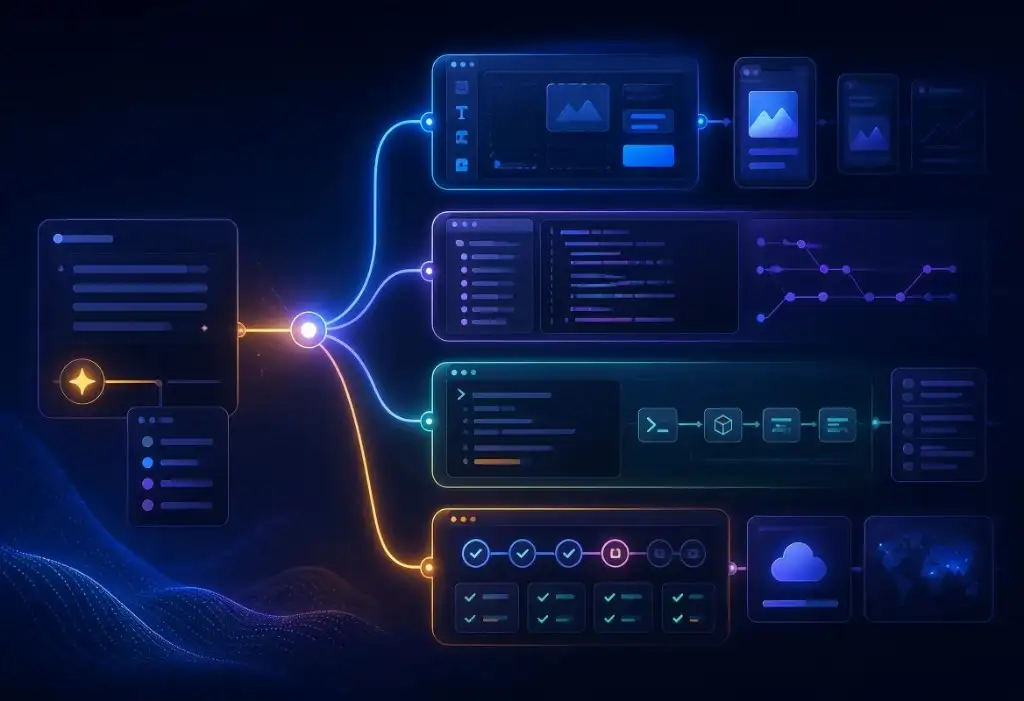
Old Way vs New Way
How AI-assisted vibe coding changes the path from idea to production, and where Future Wonder fits.
HOW WE WORK
Our Vibe Code rescue process
A structured approach to transforming AI-built systems into stable, production-ready software fast.

Services
Our capabilities
Vibe Code Audit
We review AI-generated and vibe-coded codebases to identify structural risks, technical debt, and scalability issues.
AI & Machine Learning Consulting
Designing AI-driven systems that balance experimentation with engineering discipline.
Production-Ready AI Systems
Move from demos and prototypes to systems with embedded AI solutions ready for real users and real scale.
Vibe Code Rescue
We refactor, stabilize, improve UI and production-harden vibe coded systems without rewriting everything from scratch.

What Is Vibe Coding and Why It Matters
Vibe coding is an emerging way of building software with heavy assistance from AI tools, focusing on speed, intuition, and iteration over rigid structure. It enables teams to explore ideas, prototype complex systems quickly and start user testing early.
However, when vibe-coded systems move closer to production, they often face challenges around maintainability, reliability, performance, and long-term scalability. The gaps show up at the worst time: during launch, when you start handling real customers, real data, and real payments.
That is where our AI and machine learning expertise comes in. We embrace vibe coded approaches while making your solution trustworthy, scalable, tested, and ready to generate revenue.
FAQs for vibe coded apps
Is vibe coding good?
Yes, it is great for speed, prototypes, and experiments and up front user engagement.
Is vibe coding bad?
It becomes risky when teams treat a prototype as production-ready and skip security, testing, and a rigorous release process.
Who coined vibe coding?
The term was popularized by Andrej Karpathy in 2025.
What does "vibe coder" mean?
A builder who uses AI tools to iterate quickly and focus on outcomes instead of implementation details.
How often should coding audits be conducted?
Before launch, after major feature pushes, and on a regular cadence based on change rate and risk (often monthly or quarterly).
How to Build a Vibe Coded App
If you are wondering how to vibe code an app (or how to vibe code a mobile app), start by defining one real workflow: a login, a dashboard, and one money action (checkout, booking, quote, invoice, or subscription). Use short prompts, test after every change, and keep the scope tight until the core flow works.
The new advantage is that the prototype becomes the requirements. Instead of guessing what the user experience should be, you build it, click it, and refine it. That means clearer scope, faster learning, and fewer surprises later.
The most common failure mode is assuming a good-looking demo is production-ready. Vibe-coded apps often ship with missing tests, weak data validation, security gaps, and architecture that breaks under real usage. The fix is not more prompting. The fix is adding guardrails and hardening the system before launch.
- Start with one workflow, not the whole product
- Write acceptance criteria as you go (the prototype is the spec)
- Add guardrails early (auth, data validation, logging, basic tests)
- Ship in small slices, not one huge AI rewrite
Already picked a platform? Great.
The platform matters less than whether your app is safe, testable, and maintainable before launch. We help harden what you already built so it is ready for real users, real data, and real revenue.
PROOF
When a Working AI-Assisted Product Still Needs a Rescue
“Lexandria was already serving users, but Future Wonder showed us where security, CI, deployment, and workflow needed to mature before those gaps became bigger problems.”
Josh Sanders, Lexandria
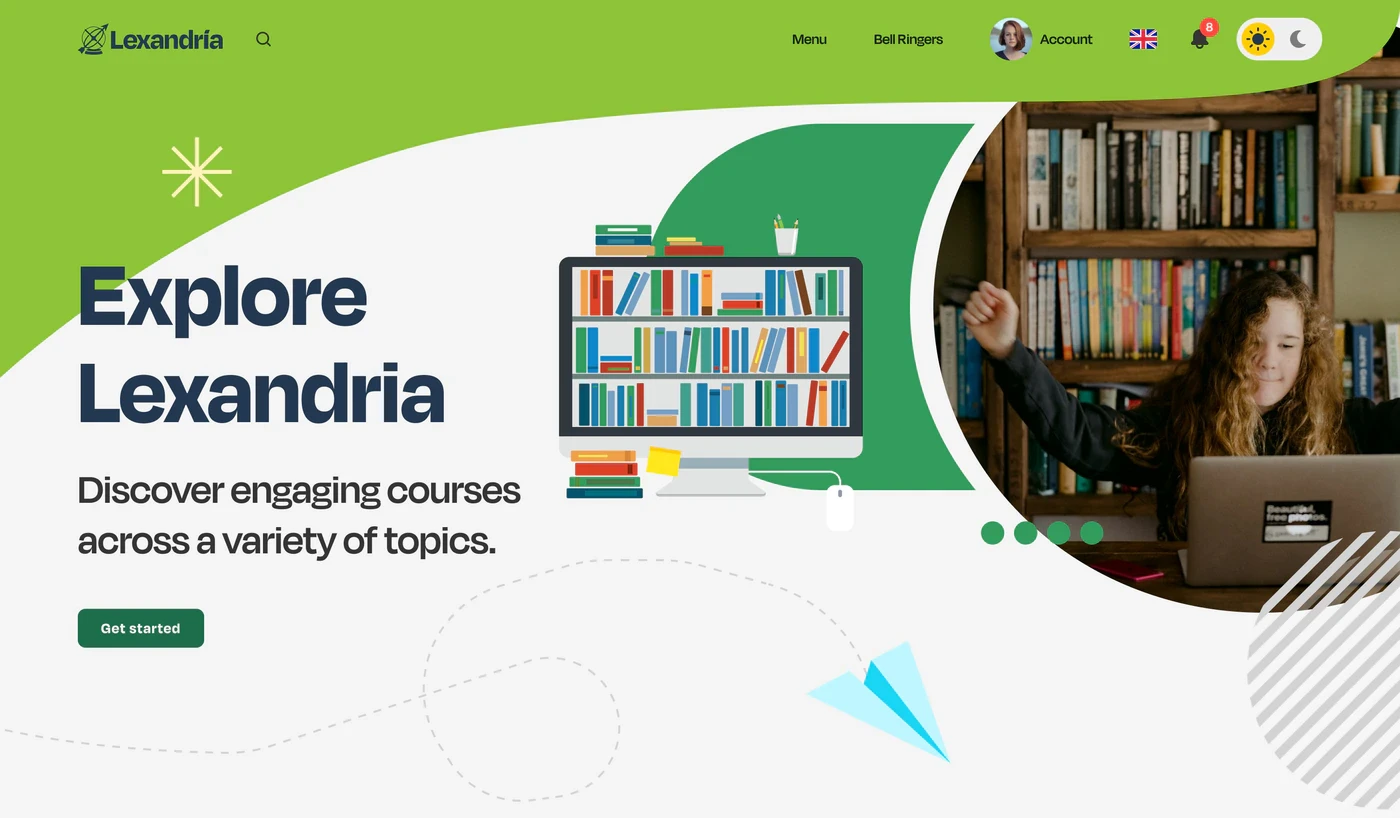
Future Wonder first met with Josh to understand where he was with Lexandria: how the product had been vibe coded, what was already working in production, and where the team needed stronger review and release discipline.
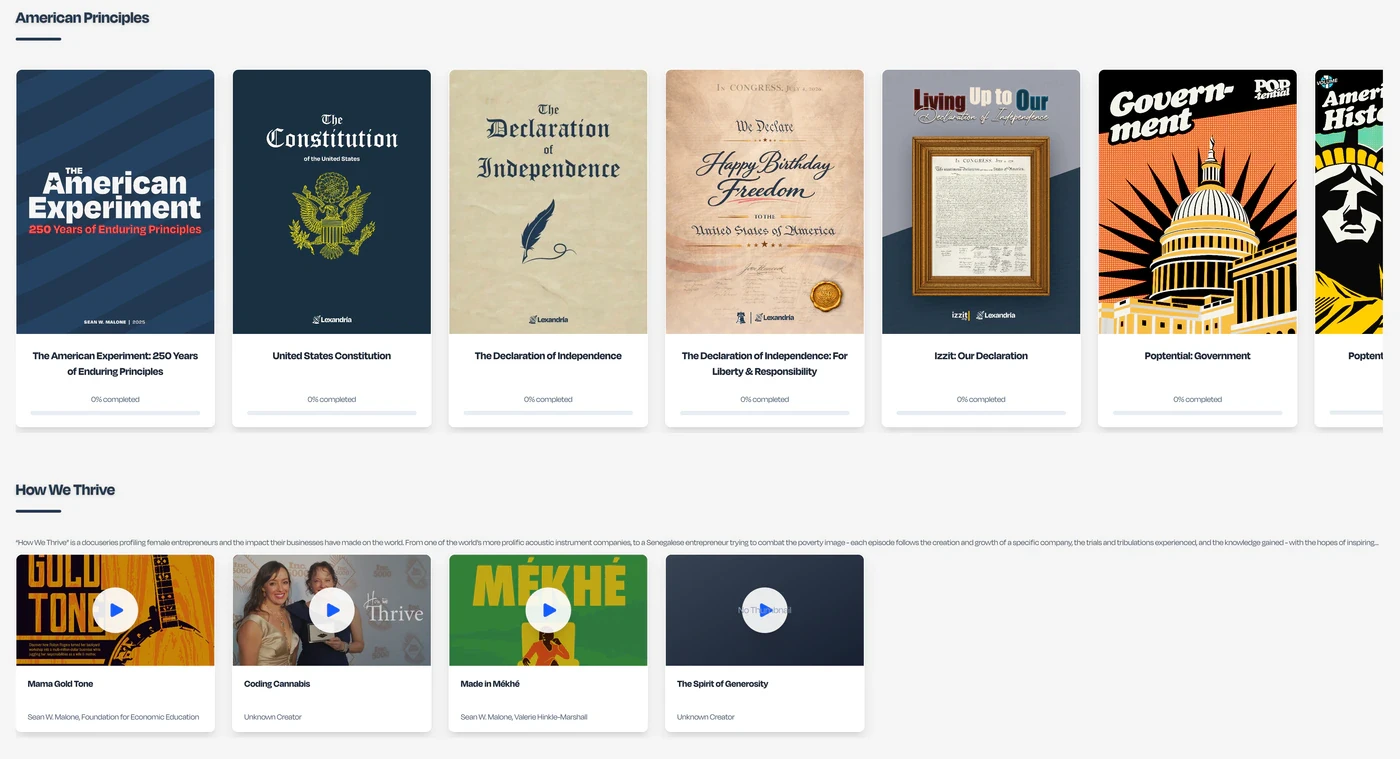
Lexandria was already serving roughly 2,000 users with ebooks, assessments, classroom tools, admin workflows, Sanity content management, Supabase authentication and database state, Vercel deployment infrastructure, and GitHub-based planning.
With students and educators already using Lexandria, gaps in CI, security, deployment ownership, database workflow, content workflow, and release process could become user-facing problems.
Audit First
Future Wonder’s Vibe Code Audit provided a thorough review of both the live product and the systems behind it. Technical details included the Next.js application, GitHub workflow to Vercel deployments, Supabase access controls, Sanity content management, CI, testing, accessibility, monitoring, documentation, and release practices. The audit separated stable product areas from partial features, platform risks, and decisions Josh needed to make before implementation.
What The Audit Surfaced
Here are some specific actionable findings from the audit:
- Ownership of production deployments needed to be more clearly defined.
- Existing deployment documentation no longer fully reflected the live Vercel release process.
- Continuous Integration checks did not reliably signal that builds were ready.
- Test coverage was being measured, but coverage thresholds were not fully enforced as release-blocking requirements.
- End-to-end tests existed, but they were not fully executed before releases
- Supabase Security Advisor identified findings that required review and remediation planning.
- The database migration process needed a clear source of truth to prevent workflow ambiguity.
- Public-content and proxy endpoints required an access-control review.
- Documentation for the Sanity content workflow had drifted from current practices.
- Accessibility scans identified 20 issues across public-facing and authenticated pages.
- Monitoring and alerts needed an operational baseline.
How The Engagement Works Now
Future Wonder continues to work alongside Josh and the Lexandria team. Josh can keep vibe coding and pushing the product forward, but new code now goes through tickets, review, CI checks, staging validation, platform coordination, documentation, and production handoff.
Outcome:
Lexandria kept building new features and the whole team worked to remediate the audit findings. Fixes included robust Continuous Integration, documented deployment ownership, hardened Supabase access, clarification of the Sanity CMS workflow, discrete public content access decisions, and improvement of the staging to production process.
“Future Wonder found the risks we weren’t seeing in daily use and turned them into specific tickets, staging checks, and release steps.”
Josh Sanders, Lexandria
FEATURED
Insights and articles

9/8/2026 | VIBE RESCUE
Is Vibe Coding Bad? The Real Pros and Cons for Founders in 2026
7/7/2026 | VIBE RESCUE
Vibe Coding Tools: Apps, Platforms, IDEs, and AI Coding Assistants Compared

6/19/2026 | VIBE RESCUE
Vibe Coding Meaning: What It Is and When It Works

5/29/2026 | VIBE RESCUE
Six Indiana companies receive INTAP 2026 funding with the help of Future Wonder

5/26/2026 | VIBE RESCUE
The Vibe Coding Wall: Why Good Demos Break Before Production

5/11/2026 | VIBE RESCUE
How Much Does App Development Cost? MVP, Platform, and Growth Costs
WHY FUTURE WONDER
Why teams trust Future Wonder with AI systems

Design-first approach to AI and ML products

Ongoing experience with experimental and production systems

Clear communication between business, design, and engineering

Focus on long-term maintainability, not just demos

PROOF
Future Wonder by the Numbers
*As of March 2026
Ready to turn AI experiments into real products?
Whether you’re experimenting with vibe coding or struggling to stabilize an AI-driven system, we can help you move forward with confidence.